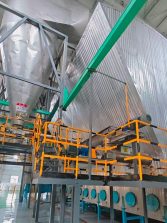
• Home
  • About Us
  • Products
    • MVR Evaporator
    • MEE Evaporator
    • Distillation & Concentration Unit
    • Complete Equipment
  • Featured Project
    • Chemical Industry
    • Lithium Battery Industry
    • Wastewater Treatment
    • Food & Pharmaceutical
  • Blog
  • Contact
  • Download

Potassium-Sodium Separation Evaporator

Home Product Complete Equipment Potassium-Sodium Separation Evaporator

Potassium-Sodium Separation Evaporator

Potassium–sodium separation technology provides an effective solution for recovering valuable salts from high-salinity wastewater by utilizing the different solubility characteristics of sodium chloride (NaCl) and potassium chloride (KCl). Through controlled evaporation, concentration, and selective crystallization, high-purity sodium chloride and potassium chloride are recovered separately, maximizing resource utilization while minimizing waste generation.

Depending on the specific process requirements, the system can be configured with either a Multiple-Effect Evaporator (MEE) or a Mechanical Vapor Recompression (MVR) evaporator, in combination with vacuum flash evaporation and/or cooling crystallization.

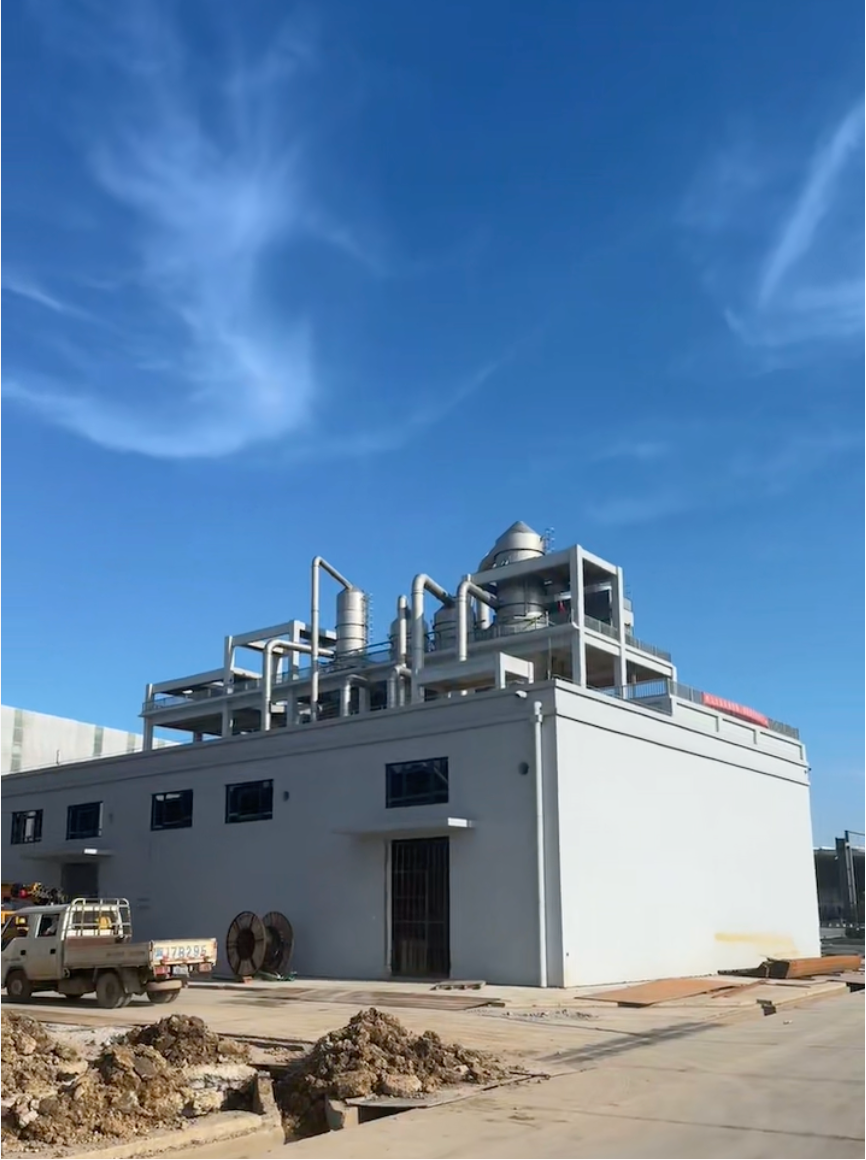
For this project, the equipment parameters are as follows:

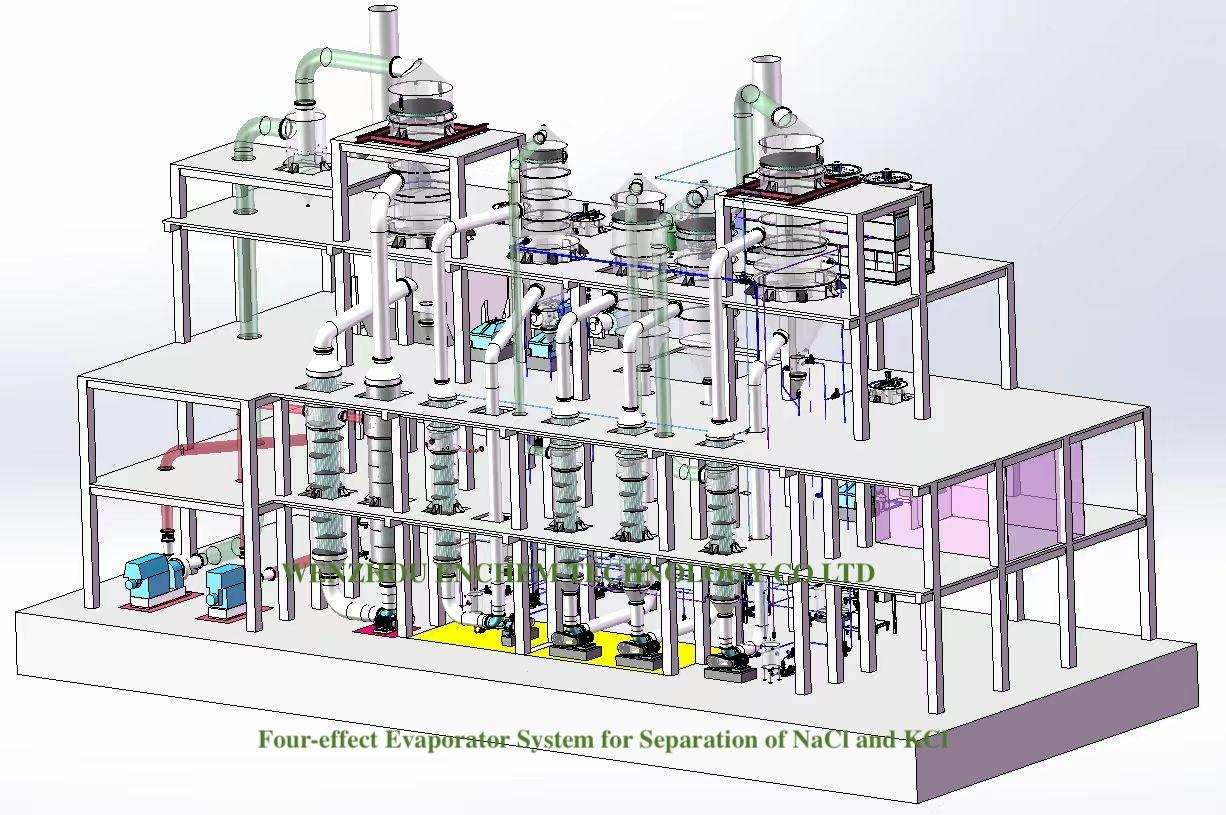
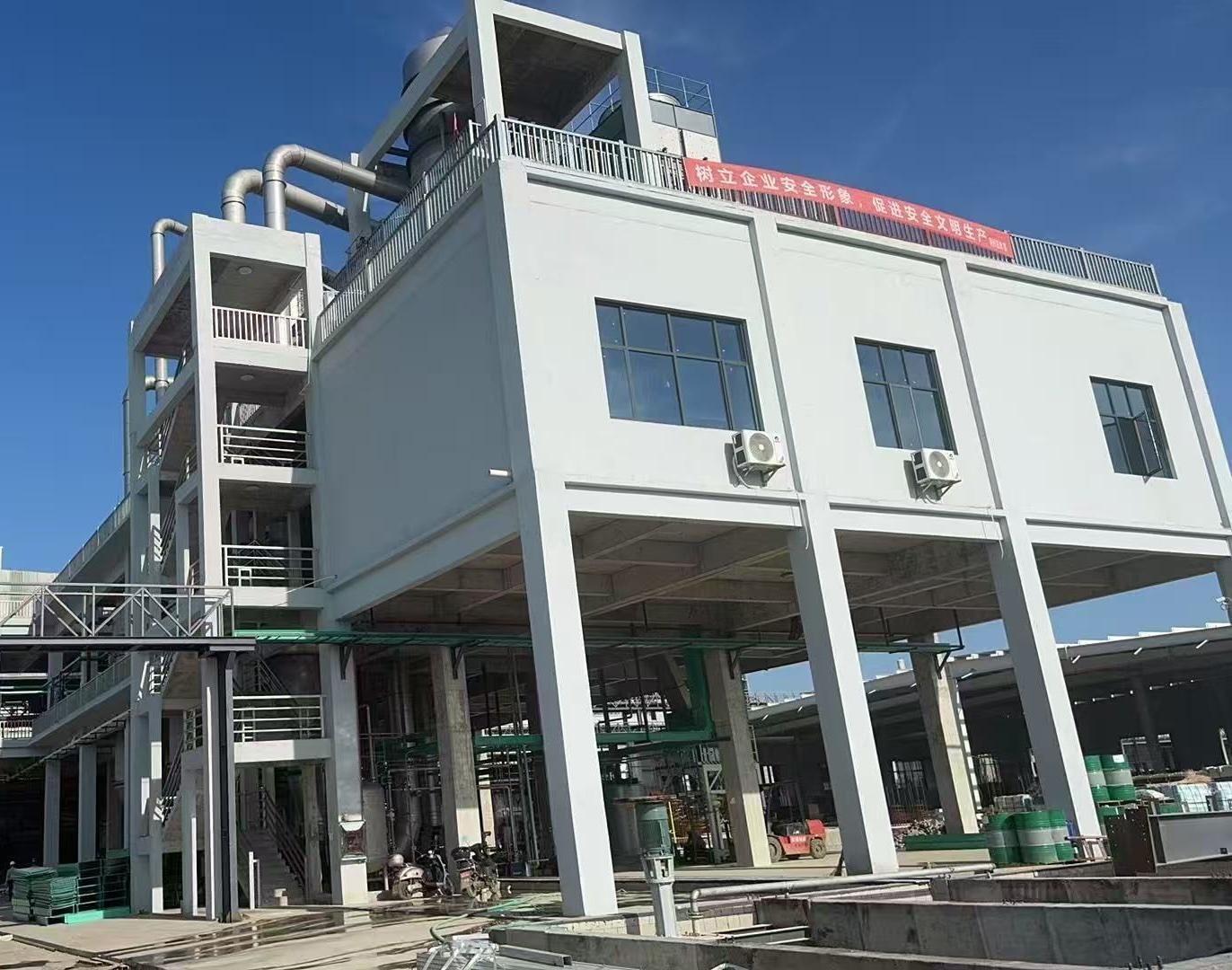
Evaporation system: Four-effect forced circulation evaporator combined with cooling crystallization

Evaporation capacity: 50,000 L/h
Complete Equipment, Wastewater Treatment2025-07-10e22 Tags: MEE, wastewater treatment

Description

Process Background 

In industries such as salt chemical production, chlor-alkali, coal chemical processing, petrochemicals, and pharmaceuticals, zero-liquid discharge (ZLD) treatment frequently generate high-salinity wastewater containing mixed inorganic salts, primarily sodium chloride(NaCl) and potassium chloride(KCl), or sodium chloride(NaCl) and sodium sulfate(Na₂SO₄).

These salt-rich stream are characterized by extremely high total dissolved solids (TDS) concentrations. Traditionally, the mixed salts recovered from high-salinity wastewater treatment are classified as solid waste, resulting in significant disposal costs while offering little or no economic value.

As environmental regulations become increasingly stringent, the treatment of high-salinity wastewater has become a major challenge worldwide.

Recovering and separating valuable salts from these waste streams represents the most sustainable and economically attractive solution.

Potassium-Sodium Separation

Potassium–sodium separation is one of the most effective technologies for resource recovery from high-salinity wastewater.

Through controlled evaporation and crystallization, mixed potassium-sodium salt solutions are concentrated, allowing sodium chloride and potassium chloride to crystallize separately. The recovered salts can be reused as industrial-grade raw materials, transforming waste streams into valuable resources while reducing disposal costs and improving economic returns.

Typical applications include:

•  Flue dust washing wastewater from steel plants

•  By-product recovery in pharmaceutical intermediate manufacturing

•  Municipal solid waste incineration fly ash leachate treatment

•  High-salinity wastewater containing NaCl/KCl mixed salts

Working Principle 

For high-salinity wastewater containing three or fewer major salt components, or where one salt is present at a significantly higher concentration, and where the salts exhibit distinct crystallization characteristics with relatively low solution viscosity, selective salt separation offers excellent technical and economic performance.

Compared with producing low-value mixed salts, selective crystallization enables the recovery of refined, industrial-grade single-component salts, significantly increasing the value of the recovered products.


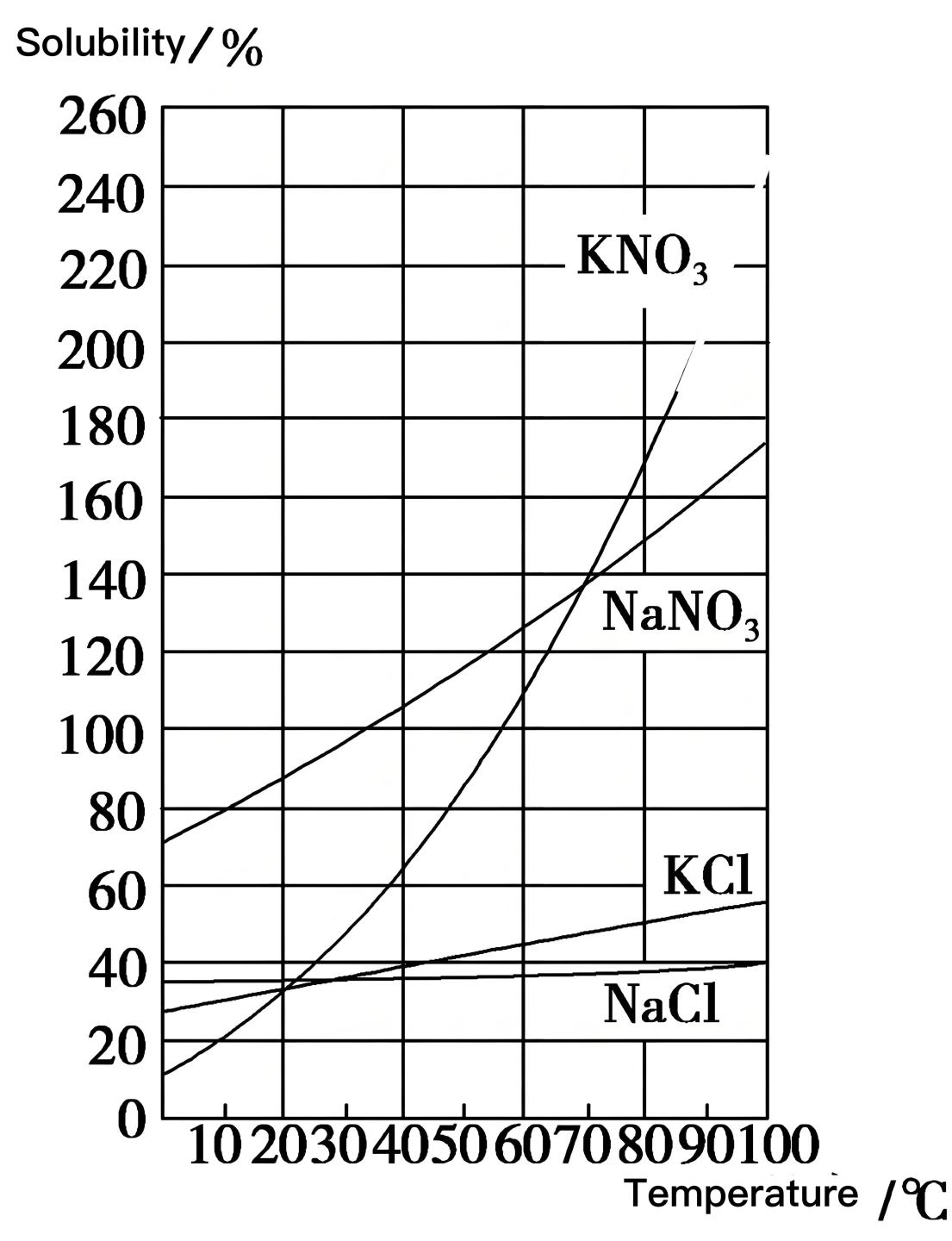
The potassium–sodium separation process utilizes the different solubility characteristics of sodium chloride (NaCl) and potassium chloride (KCl):

•  Potassium chloride (KCl) has relatively high solubility, which increases significantly as temperature rises.

•  Sodium chloride (NaCl) exhibits relatively stable solubility over a wide temperature range.


By precisely controlling evaporation temperature, concentration, and crystallization conditions, the system takes advantage of these differences to selectively reach the saturation point of each salt:

•   Sodium chloride reaches supersaturation first and crystallizes under the controlled operating conditions.

•   Potassium chloride remains in solution and is subsequently crystallized after further concentration and cooling.

This staged crystallization process enables the separate recovery of high-purity sodium chloride and potassium chloride, maximizing both product quality and resource utilization.

System Configuration

The potassium–sodium separation system can be configured using either:

•   Multiple-Effect Evaporation (MEE)

•   Mechanical Vapor Recompression (MVR)

Depending on the process requirements, the evaporation system may be integrated with:

•   Vacuum flash evaporation

•   Cooling crystallization


For this project, based on the wastewater composition, treatment capacity, and operating conditions, a four-effect evaporator combined with vacuum flash evaporation and cooling crystallization is recommended.

Sodium Chloride Recovery

Due to its lower solubility characteristics, sodium chloride reaches supersaturation first during evaporation. The NaCl-rich slurry is discharged from the first effect and transferred to a cooling crystallizer, followed by centrifugation for solid-liquid separation, producing high-purity sodium chloride.

Potassium Chloride Recovery

Potassium chloride remains dissolved after sodium chloride separation and is further concentrated in the subsequent evaporation effects. The KCl-rich solution from the fourth effect is then sent to a cooling crystallizer and centrifuge to recover high-purity potassium chloride.

Mother Liquor Recycling

The mother liquor generated from both crystallization stages is recycled back to the evaporation system for further concentration, forming a closed-loop process that minimizes wastewater discharge while maximizing salt recovery.

Upon completion, the system is capable of producing:

•   Sodium chloride purity: ≥95%

•   Potassium chloride purity: ≥85%

Key Advantages

• High-purity salt recovery 

Produces industrial-grade sodium chloride and potassium chloride.

• Waste reduction 

Converts mixed-salt waste into valuable commercial products.

• Resource efficiency 

Closed-loop recycling minimizes wastewater discharge and environmental impact.

• Flexible process design

Available in both MEE and MVR configurations to suit different capacities, energy requirements, and project conditions.

• Improved project economics 

Reduces waste disposal costs while generating valuable by-products.

• Environmentally sustainable 

Supports zero liquid discharge (ZLD) objectives and circular resource utilization.


Inquiry Us


Related Products

Waste Hydrochloric Acid Recycling Solution and Calcium Chloride Production Solution

2025-12-28e22

Anhydrous Calcium Chloride Granulation & Drying System

2025-09-01e22

Triple-Effect Forced Circulation Evaporator for Reverse Osmosis Concentrate

2025-05-16e22

Product Categories

  • Product
    • MVR Evaporator
    • MEE Evaporator
    • Distillation & Concentration Unit
    • Complete Equipment
  • Featured Project
    • Lithium Battery Industry
    • Wastewater Treatment
    • Chemical Industry
    • Food & Pharmaceutical

Product Tags

CaCl2 concentrator crystallization Distillation evaporation Lithium Battery Industry MEE MVR wastewater treatment

Latest Post

  • Achieving Low Residual Moisture Content in Industrial Salt Crystallization Processes
    2026-05-27
  • Liquid Ring Vacuum Pumps in Evaporation System
    2026-04-24
  • Successful Commissioning of Instant Coffee Liquor 4-Effect Evaporator Upgrading Project in Indonesia
    2026-03-22

Email Newsletters

Welcome to subscribe email newsletter to us, get the lastest products and news information from us!

Contact Us

+86-135 875 13702

info@enchem-tech.com

info@enchem-tech.com

Zengdu District, Suizhou City, Hubei Province, China

Mobile Website

Copyright © 2012-2017 Wenzhou Enchem Technology Co.,Ltd. All Rights Reserved Design by enchem-tech.com