• Home
  • About Us
  • Products
    • MVR Evaporator
    • MEE Evaporator
    • Distillation & Concentration Unit
    • Complete Equipment
  • Featured Project
    • Chemical Industry
    • Lithium Battery Industry
    • Wastewater Treatment
    • Food & Pharmaceutical
  • Blog
  • Contact
  • Download

Potassium-Sodium Separation Evaporator

Home Product Complete Equipment Potassium-Sodium Separation Evaporator

Potassium-Sodium Separation Evaporator

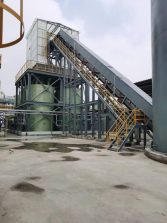
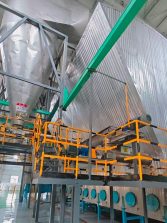
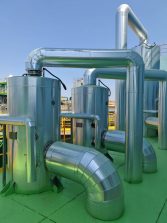
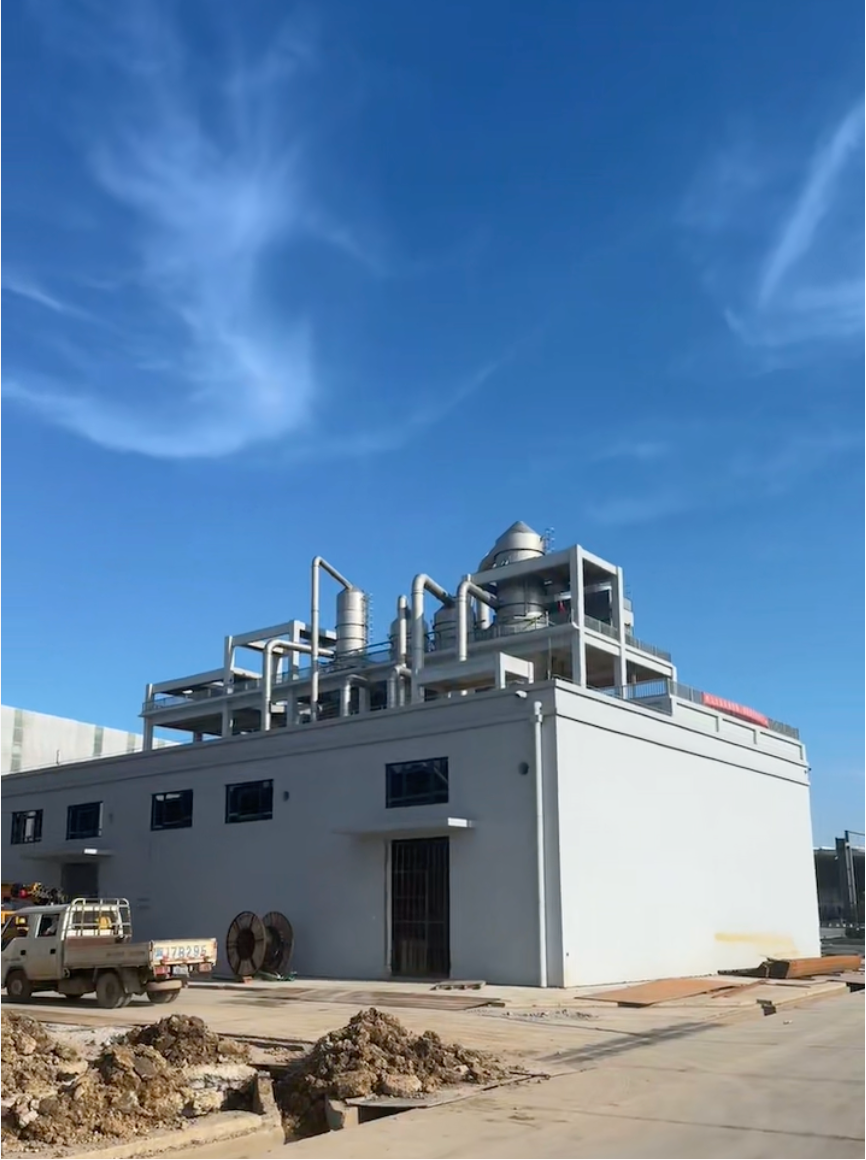
Project description: Potassium-sodium separation evaporator ;

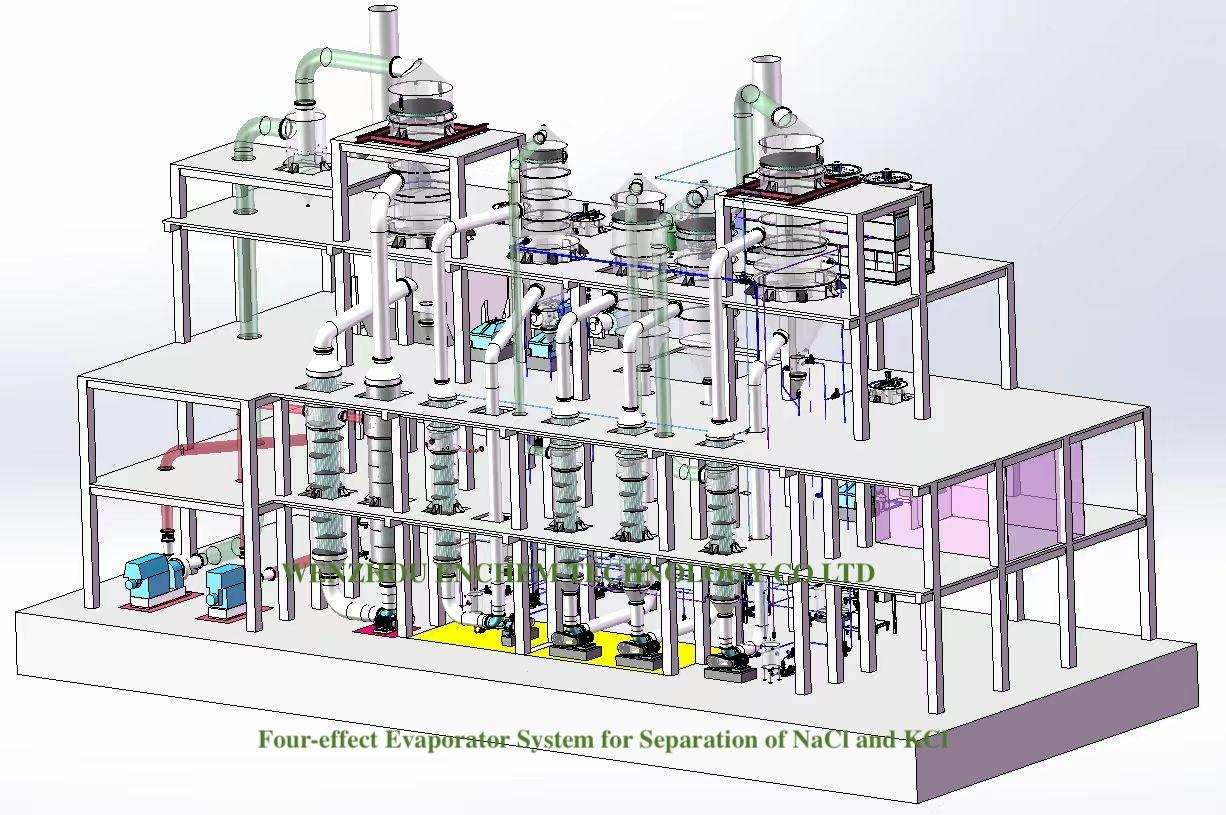
Equipment: Four-effect forced circulation evaporator combined with cooling crystallization;

Main composition of feedstock: potassium-sodium mixed liquid;

Evaporation capacity: 50,000L/h;

Construction material: product wetted parts adopt TA2, non wetted parts adopt SS 304 or carbons steel per actual need.

Advantage: Transform waste into value—optimize your high-salinity wastewater treatment with advanced potassium-sodium separation technology.
Complete Equipment, Wastewater Treatment2025-07-10e22 Tags: wastewater treatment

Description

Process Background 

    In industries such as salt chemical production, chlor-alkali, coal chemical processing, petrochemicals, and pharmaceuticals, zero-liquid discharge (ZLD) treatment often involves managing high-salinity wastewater containing mixed salts—most commonly sodium chloride and potassium chloride, or sodium chloride and sodium sulfate.

    These salt-rich solutions typically have high total dissolved solids (TDS) content. At present, the miscellaneous salts (mixed end-product salts) generated from high-salinity wastewater treatment are commonly classified as solid waste, resulting in high disposal costs and limited economic value.

    High-salinity wastewater treatment remains a global challenge.

    Salt separation and resource recovery are the most fundamental and sustainable solutions.

Potassium-Sodium Separation

    Potassium-sodium separation is one of the major approaches to resource recovery from high-salinity wastewater.

    By concentrating the potassium-sodium mixed salt solution through evaporation and crystallization, potassium chloride and sodium chloride are separately recovered, producing industrial-grade products. This process transforms industrial waste into valuable raw materials, supporting both sustainability and profitability.

    This technology is widely applied in:

   • Steel plant flue dust washing

   • By-product recovery in pharmaceutical intermediate production

   • Leachate treatment from municipal solid waste incineration fly ash

   • High-salinity wastewater containing NaCl and KCl mixtures

Working Principle 

    For high-salinity wastewater containing three or fewer types of salts, or when one salt component is present in a relatively high concentration, and the salts exhibit significant differences in crystallization thermodynamics with low solution viscosity, salt separation is technically and economically advantageous.

    Selective salt separation is the most effective way to reduce the formation of low-value mixed salts, allowing for the production of refined, industrial-grade single-component salt products—turning waste streams into valuable resources.

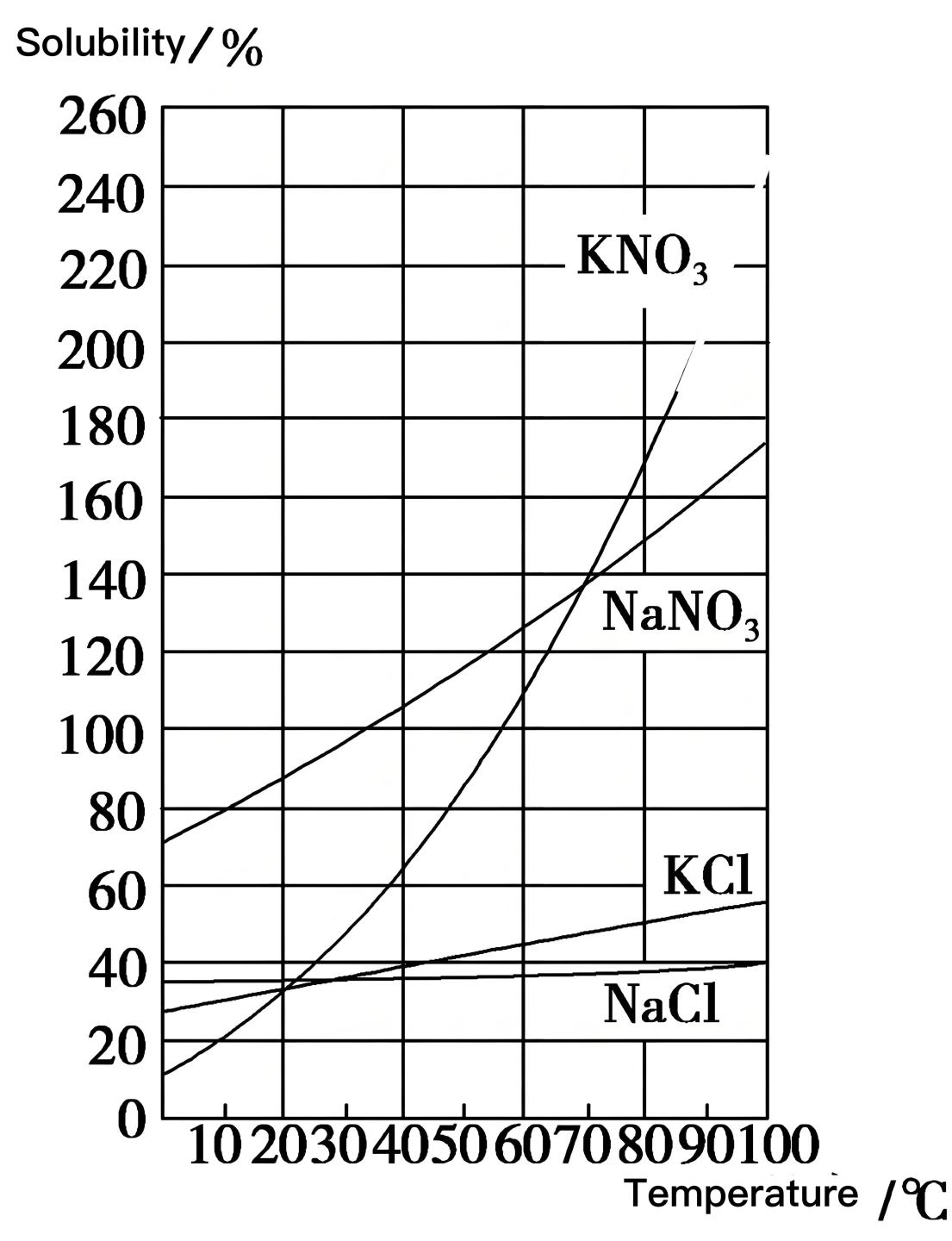
    Potassium-sodium separation process utilizes the different solubility characteristics of sodium chloride (NaCl) and potassium chloride (KCl):

   • Potassium chloride has a higher solubility than sodium chloride, and its solubility increases significantly with temperature.

   • Sodium chloride’s solubility remains relatively stable across temperature changes.

    By precisely controlling the evaporation temperature, the system exploits these differences to selectively reach each salt’s saturation point:

   • Sodium chloride crystallizes first at higher temperatures.

   • Potassium chloride crystallizes later under lower temperatures.

    This staged crystallization approach allows for the separate recovery of high-purity NaCl and KCl, achieving efficient salt separation and high-value utilization.

System Configuration

    The Potassium-sodium separation system can be designed with either:

    • Multiple-effect evaporator (MEE)

    • Mechanical vapor recompression evaporator(MVR)

    And combined with: Vacuum flash evaporation or Cooling crystallization. 

    For this project, considering the specific feed composition and treatment capacity, a solution based on a four-effect evaporator, combined with vacuum flash evaporation and cooling crystallization is proposed.


   • Sodium chloride separation: Sodium chloride reaches supersaturation first due to its lower solubility. The NaCl-rich solution is discharged from the first effect and sent to a cooling crystallizer and centrifuge for solid-liquid separation, producing high-purity sodium chloride.

   • Potassium chloride separation:  Potassium chloride remains in solution and is further concentrated in the subsequent effects. In the fourth effect, the KCl-rich solution is discharged and processed through cooling crystallization and centrifugation to obtain high-purity potassium chloride.

   • Mother Liquor Recycling: The mother liquors from both crystallization steps are recycled back into the system for continued evaporation and concentration, ensuring continuous, efficient operation with minimal waste.

    At completion, the project delivers products with a sodium chloride purity of ≥95%, and a potassium chloride purity of ≥85%.

Key Advantages

    • High-purity salt recovery: Industrial-grade KCl and NaCl

    • Reduction of hazardous waste: Converts waste into valuable products

    • Efficient resource utilization: Closed-loop recycling reduces environmental impact

    • Adaptable system design: MEE or MVR configurations available based on specific project needs

    Transform waste into value—optimize your high-salinity wastewater treatment with advanced potassium-sodium separation technology.
 

Inquiry Us


Related Products

Waste Hydrochloric Acid Recycling Solution and Calcium Chloride Production Solution

2025-12-28e22

Anhydrous Calcium Chloride Granulation & Drying System

2025-09-01e22

Triple-Effect Forced Circulation Evaporator for Reverse Osmosis Concentrate

2025-05-16e22

Product Categories

  • Product
    • MVR Evaporator
    • MEE Evaporator
    • Distillation & Concentration Unit
    • Complete Equipment
  • Featured Project
    • Lithium Battery Industry
    • Wastewater Treatment
    • Chemical Industry
    • Food & Pharmaceutical

Product Tags

CaCl2 concentrator crystallization Distillation Lithium Battery Industry MEE MVR wastewater treatment

Latest Post

  • Evaporator Equipment Driving Efficiency in Lithium Battery Recycling
    2026-02-02
  • Lithium Battery Recycling: Recovering Valuable Materials for a Sustainable Energy Future
    2026-01-22
  • NiSO₄·6H₂O Crystals: Continuous vs Batch Crystallization
    2025-12-27

Email Newsletters

Welcome to subscribe email newsletter to us, get the lastest products and news information from us!

Contact Us

+86-135 875 13702

info@enchem-tech.com

info@enchem-tech.com

Zengdu District, Suizhou City, Hubei Province, China

Mobile Website

Copyright © 2012-2017 Wenzhou Enchem Technology Co.,Ltd. All Rights Reserved Design by enchem-tech.com