• Home
  • About Us
  • Products
    • MVR Evaporator
    • MEE Evaporator
    • Distillation & Concentration Unit
    • Complete Equipment
  • Featured Project
    • Chemical Industry
    • Lithium Battery Industry
    • Wastewater Treatment
    • Food & Pharmaceutical
  • Blog
  • Contact
  • Download

MVR Evaporation and Crystallization System for Ammonium Chloride Recovery

Home Featured Project Chemical Industry MVR Evaporation and Crystallization System for Ammonium Chloride Recovery

MVR Evaporation and Crystallization System for Ammonium Chloride Recovery

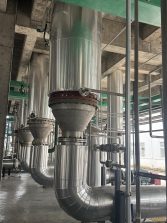
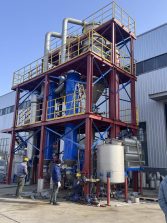
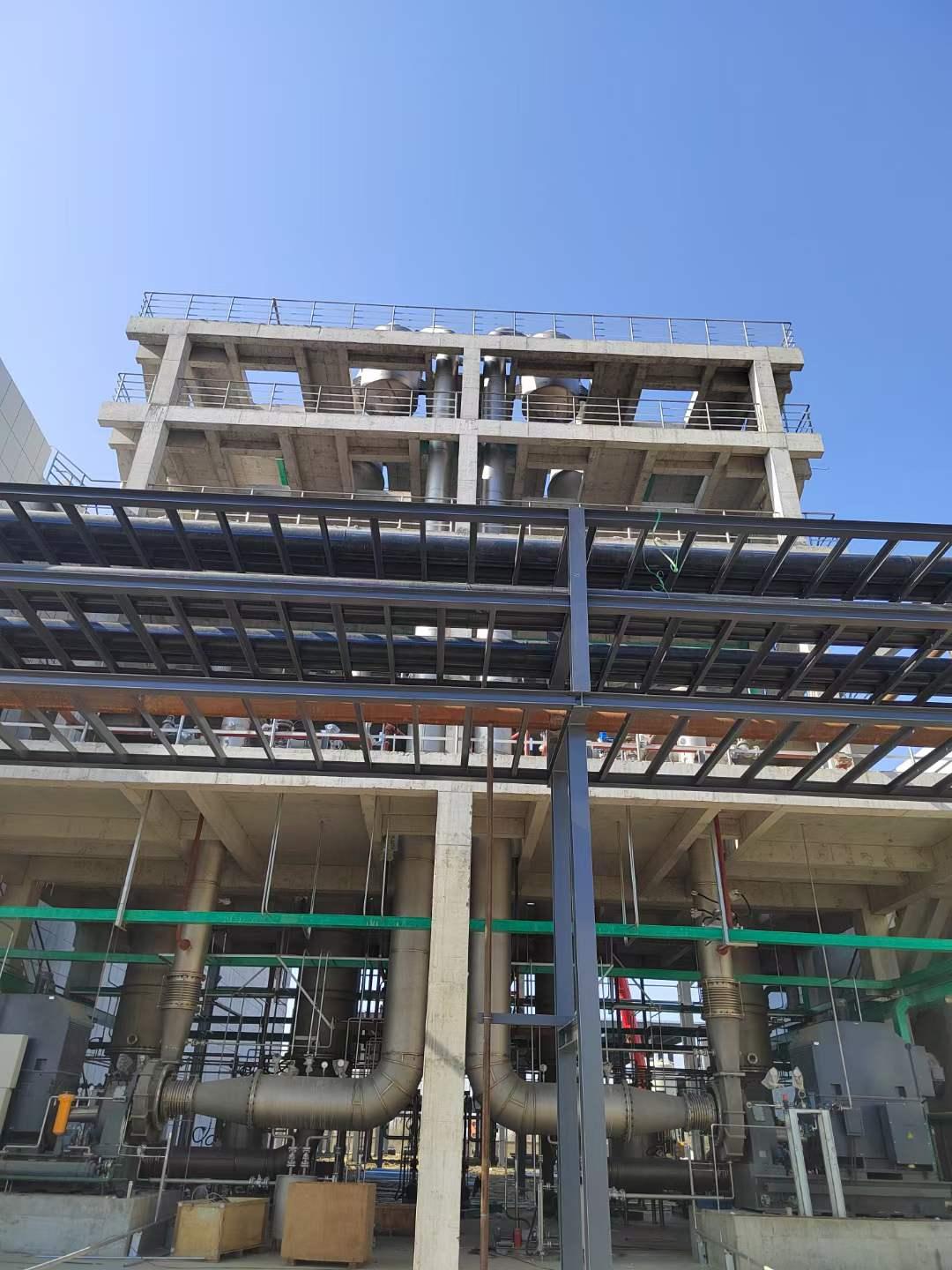
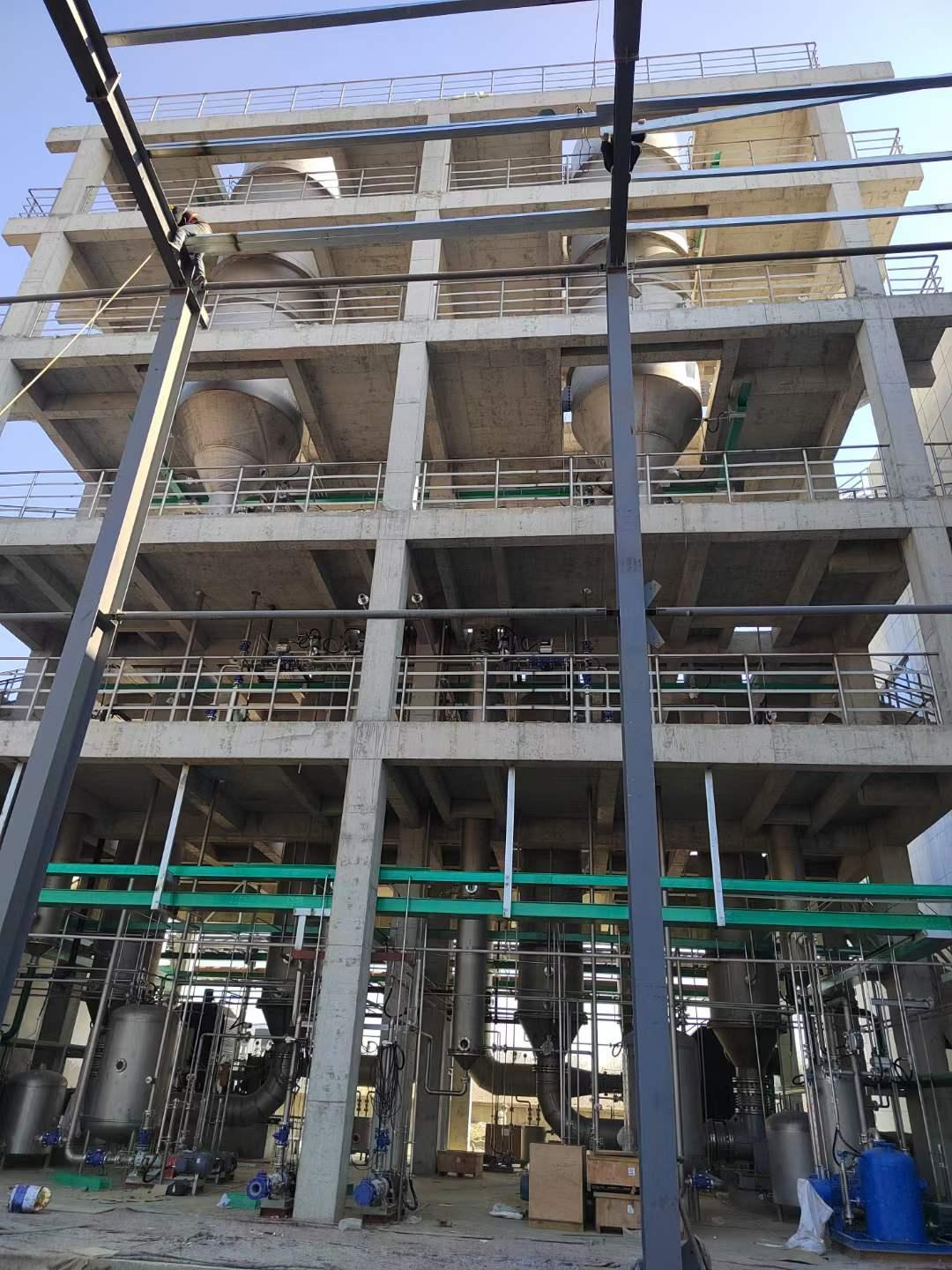
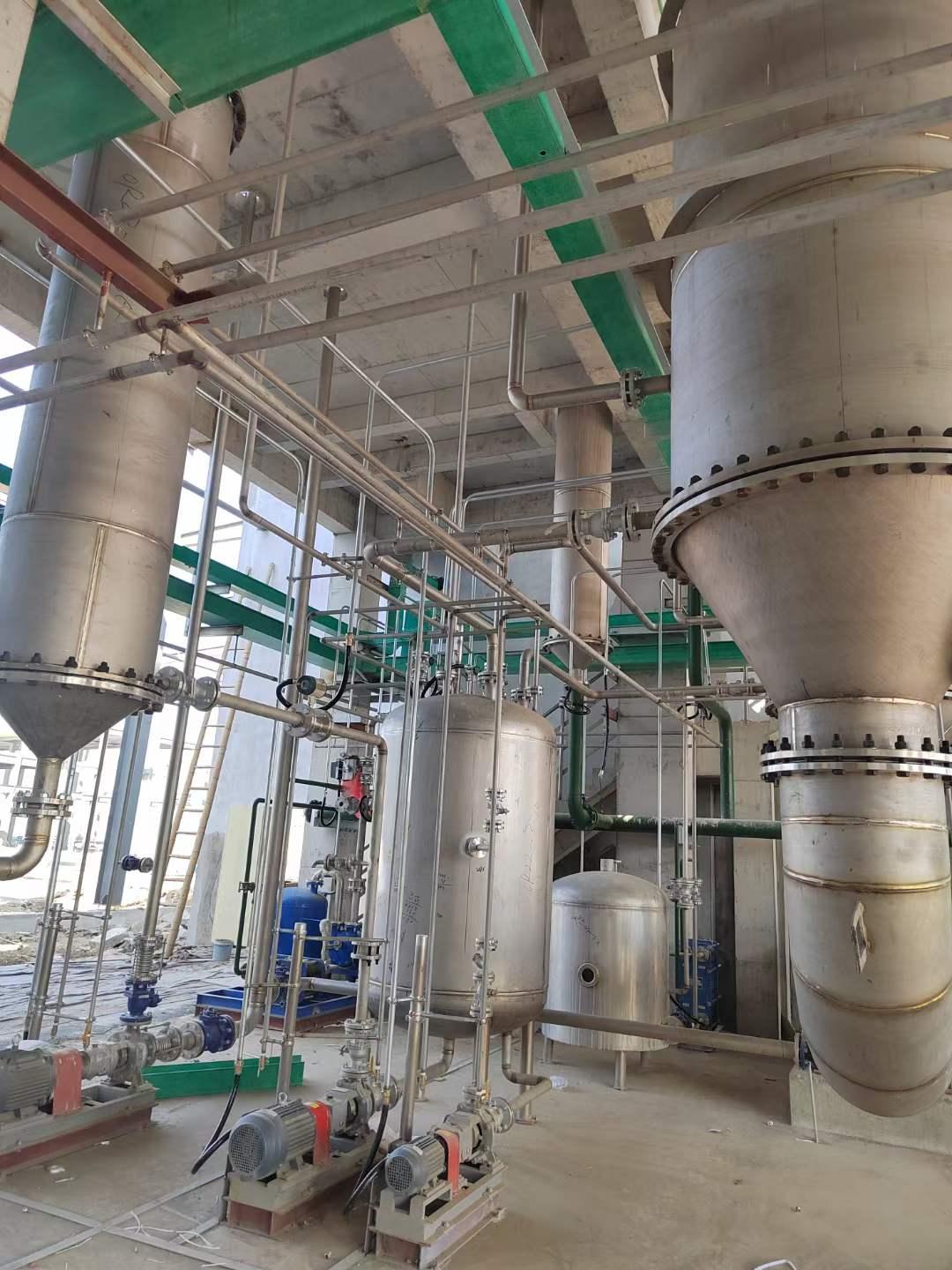
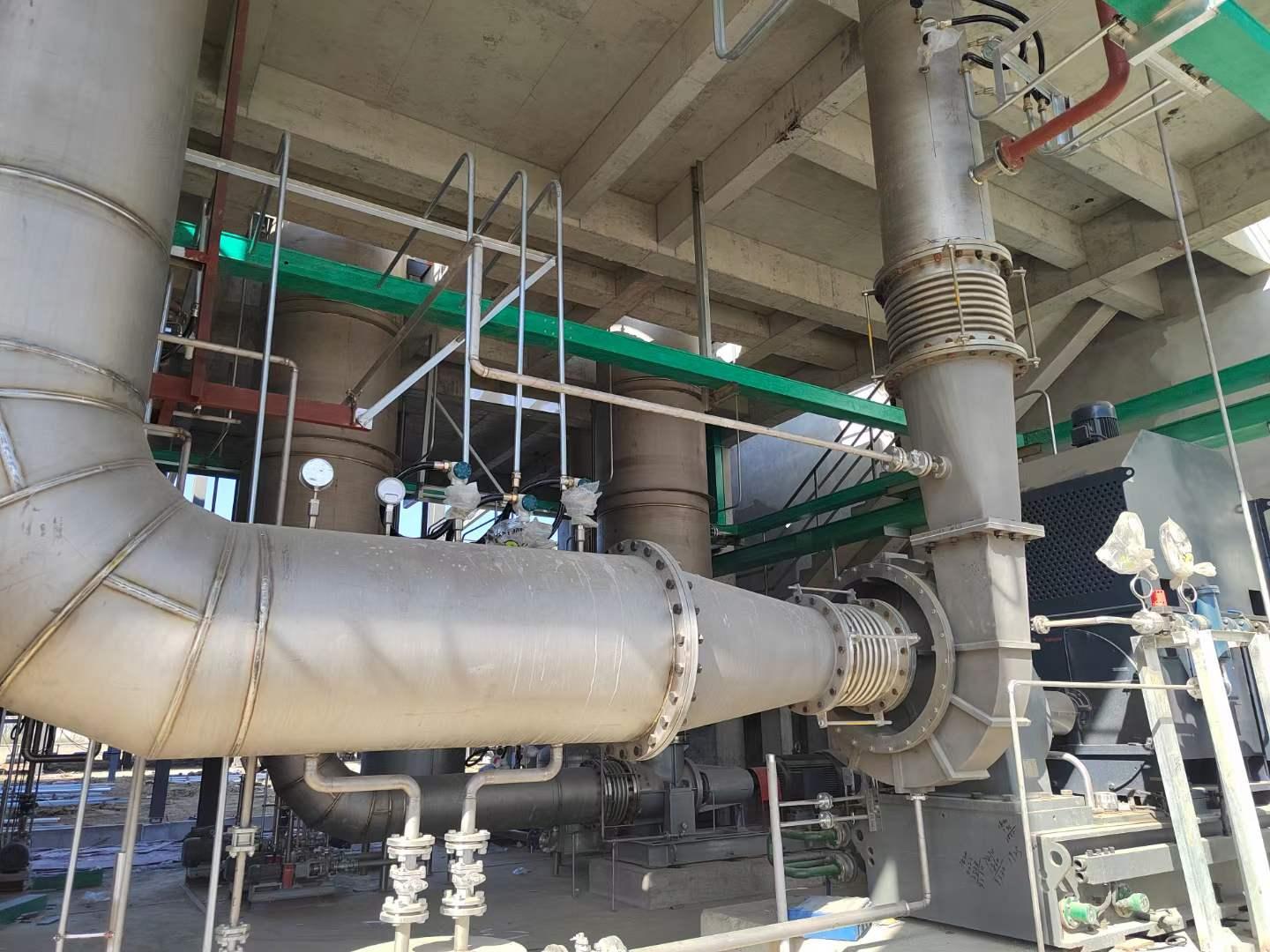
An MVR evaporation and crystallization project designed for the recovery of ammonium chloride generated as a by-product during refined barium carbonate production, with an evaporation capacity of 10 t/h.

The system incorporates corrosion-resistant titanium materials, controlled evaporation temperatures, and feed pH monitoring to achieve energy-efficient evaporation, reliable operation, and industrial by-product recovery.
Chemical Industry2026-11-25e22 Tags: MVR, crystallization, evaporation

Description

Project Overview

This project was designed for the evaporation and crystallization of ammonium chloride (NH₄Cl) solution generated as a by-product during the production of refined barium carbonate.

In the production process, ammonium carbonate reacts with barium chloride to produce barium carbonate, with ammonium chloride generated as a by-product.

The recovery of ammonium chloride not only enables the utilization of valuable by-products but also reduces the environmental burden associated with industrial wastewater discharge.

To achieve energy-efficient ammonium chloride recovery, ENCHEM designed an MVR evaporation and crystallization system, with particular attention to evaporation temperature control, corrosion-resistant material selection, and feed pH monitoring.

Main Design Parameters

Parameter Specification
Application Ammonium chloride by-product recovery
Evaporator Type MVR evaporator and crystallizer
Feed Material Ammonium chloride solution
Feed Solution Density 1.04 g/cm³
Outlet Solution Density 1.16 g/cm³
Evaporation Capacity 10,000 kg/h
Evaporation temperature ~80 ℃
Main Wetted Materials Titanium of different grades

Process Selection

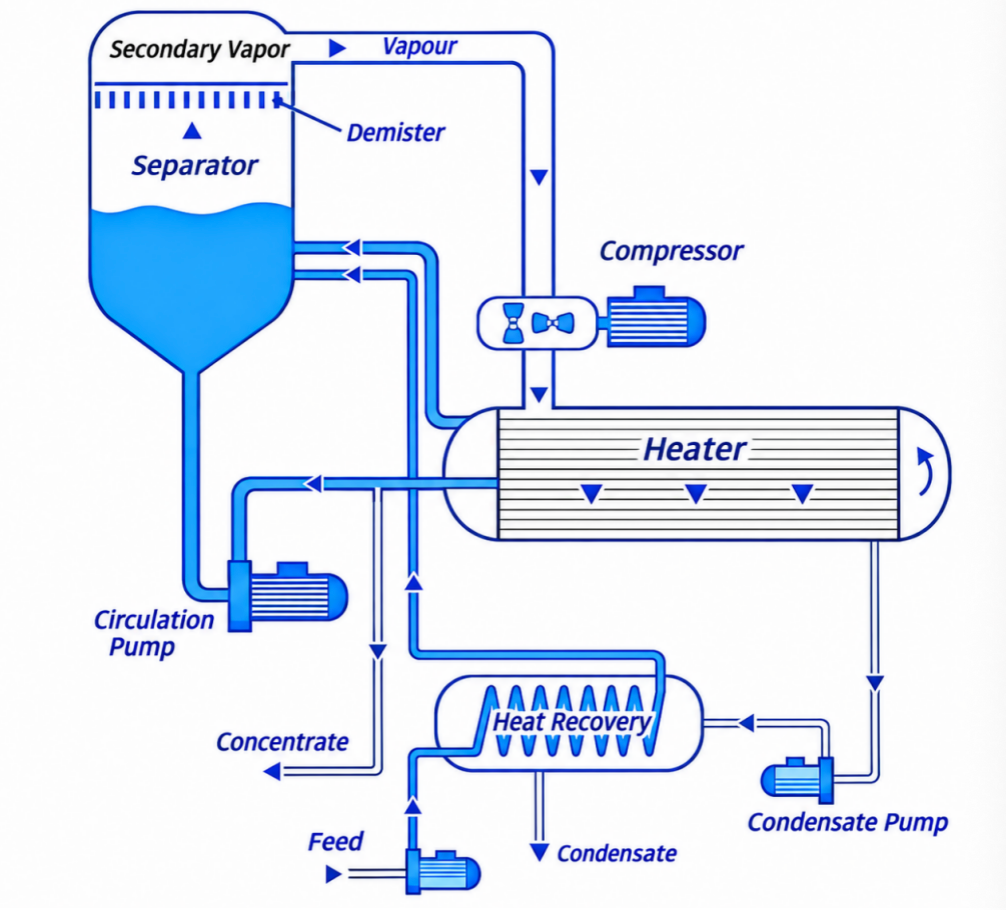
MVR process principle

Both multi-effect evaporation (MEE) and mechanical vapor recompression (MVR) technologies are suitable for the concentration of ammonium chloride solutions.

For this project, an MVR evaporation and crystallization system was selected to minimize energy consumption and reduce long-term operating costs.

In the MVR system, the secondary vapor generated during evaporation is compressed to a higher pressure and temperature and subsequently reused as the heating medium. By continuously recovering and reusing thermal energy, the MVR system significantly reduces live steam consumption and offers higher energy efficiency compared with conventional steam-driven multi-effect evaporation systems.

Technical Highlights

1. Energy-Efficient MVR Evaporation Technology

With an evaporation capacity of 10 t/h, the system is designed to continuously recover and reuse the thermal energy contained in the secondary vapor.

Compared with conventional steam-driven multi-effect evaporation systems, MVR technology significantly reduces live steam consumption, offering considerable potential for reducing operating costs and improving overall energy efficiency.

2. Corrosion-Resistant Material Selection

Ammonium chloride solutions can be highly corrosive, particularly at elevated temperatures and high concentrations. Therefore, corrosion-resistant material selection is one of the key considerations in the design of ammonium chloride evaporation and crystallization systems.

For this project, different grades of titanium are selected according to the operating temperatures, solution concentrations, and corrosion exposure conditions of individual equipment components.

Titanium is adopted for the equipment components in contact with the ammonium chloride solution and secondary vapor.

In addition to the main evaporation equipment, particular attention is given to material selection for condensers, condensate pipelines, and vacuum systems.

Depending on the system configuration and actual operating conditions, the following materials may be considered:

•  Indirect condensers: Titanium is preferred, while 2205 duplex stainless steel may also be considered under suitable operating conditions.

•  Direct-contact condensers: Fiber-reinforced plastic (FRP) or 316L stainless steel.

•  Condensate and vacuum pipelines: Suitable corrosion-resistant materials selected according to operating temperature, pH, chloride concentration, and vapor composition.

This comprehensive material selection strategy helps minimize corrosion risks, extend equipment service life, and achieve a balance between operational reliability and initial investment costs.

3. Evaporation Temperature Control

Evaporation temperature is a critical process parameter in ammonium chloride evaporation and crystallization, as it directly affects the corrosiveness of the solution and the selection of equipment materials.

For ammonium chloride evaporation systems, the evaporation temperature is preferably maintained below 80°C under vacuum conditions.

At temperatures below 80°C, the ammonium chloride solution is relatively less corrosive, allowing lower-cost titanium grades, such as TA2, to be used for components in direct contact with the process solution, subject to actual operating conditions.

At higher temperatures, the corrosiveness of the ammonium chloride solution increases, requiring titanium grades with enhanced corrosion resistance, such as TA10.

In addition, elevated temperatures may promote ammonia volatilization, potentially affecting condensate quality and increasing corrosion risks in the vacuum and condensate systems.

Therefore, low-temperature evaporation not only helps minimize corrosion risks and improve equipment service life but also allows for more cost-effective material selection, reducing the initial investment cost of the evaporation system.

4. Feed pH Monitoring

A dedicated pH monitoring instrument is installed at the feed inlet to continuously monitor the pH value of the incoming ammonium chloride solution.

Feed pH monitoring is particularly important because changes in pH can influence ammonia volatilization, secondary vapor composition, and equipment corrosion behavior.

Real-time pH monitoring helps identify abnormal feed conditions and provides an important basis for maintaining stable and reliable system operation.

Project Highlights

•  Large Evaporation Capacity: Designed evaporation capacity of 10 t/h.

•  By-Product Recovery: Recovery of ammonium chloride generated during refined barium carbonate production.

•  Energy Efficiency: Reduced live steam consumption through mechanical vapor recompression.

•  Customized Material Selection: Different titanium grades selected according to operating conditions and corrosion exposure.

•  Low-Temperature Evaporation: Controlled evaporation temperature to minimize corrosion risks and ammonia volatilization.

•  Process Monitoring: Dedicated feed pH monitoring for improved operational reliability.

Conclusion

This project demonstrates ENCHEM’s engineering capabilities in designing energy-efficient MVR evaporation and crystallization systems for highly corrosive chemical solutions.

By combining energy-efficient evaporation technology with optimized operating conditions and corrosion-resistant material selection, the system provides a reliable and cost-effective solution for ammonium chloride recovery and industrial by-product utilization.

Inquiry Us


Related Products

Barium Chloride Evaporation and Crystallization System for Industrial Production

2026-05-31e22

Industrial Multi-Effect Evaporation Crystallization System for Barium Chloride Production

2026-05-10e22

Hybrid Calcium Chloride Concentration Evaporator System

2026-04-25e22

Product Categories

  • Product
    • MVR Evaporator
    • MEE Evaporator
    • Distillation & Concentration Unit
    • Complete Equipment
  • Featured Project
    • Lithium Battery Industry
    • Wastewater Treatment
    • Chemical Industry
    • Food & Pharmaceutical

Product Tags

CaCl2 concentrator crystallization Distillation evaporation Lithium Battery Industry MEE MVR wastewater treatment

Latest Post

  • MVR Evaporator for Zero Liquid Discharge (ZLD) Wastewater Treatment
    2026-11-10
  • Magnesium Sulfate Recovery Using Spray Granulation and Fluidized Bed Dryer
    2026-10-15
  • MVR Evaporation for Landfill Leachate RO Concentrate Treatment
    2026-09-17

Email Newsletters

Welcome to subscribe email newsletter to us, get the lastest products and news information from us!

Contact Us

+86-135 875 13702

info@enchem-tech.com

info@enchem-tech.com

Zengdu District, Suizhou City, Hubei Province, China

Mobile Website

Copyright © 2012-2017 Wenzhou Enchem Technology Co.,Ltd. All Rights Reserved Design by enchem-tech.com