
Abstract
Zinc chloride (ZnCl₂) is an important inorganic chemical widely used in the pharmaceutical, electronics, textile, metallurgical, galvanizing, and chemical industries. Owing to its excellent solubility, strong hygroscopicity, and catalytic properties, zinc chloride plays a critical role in numerous industrial processes.
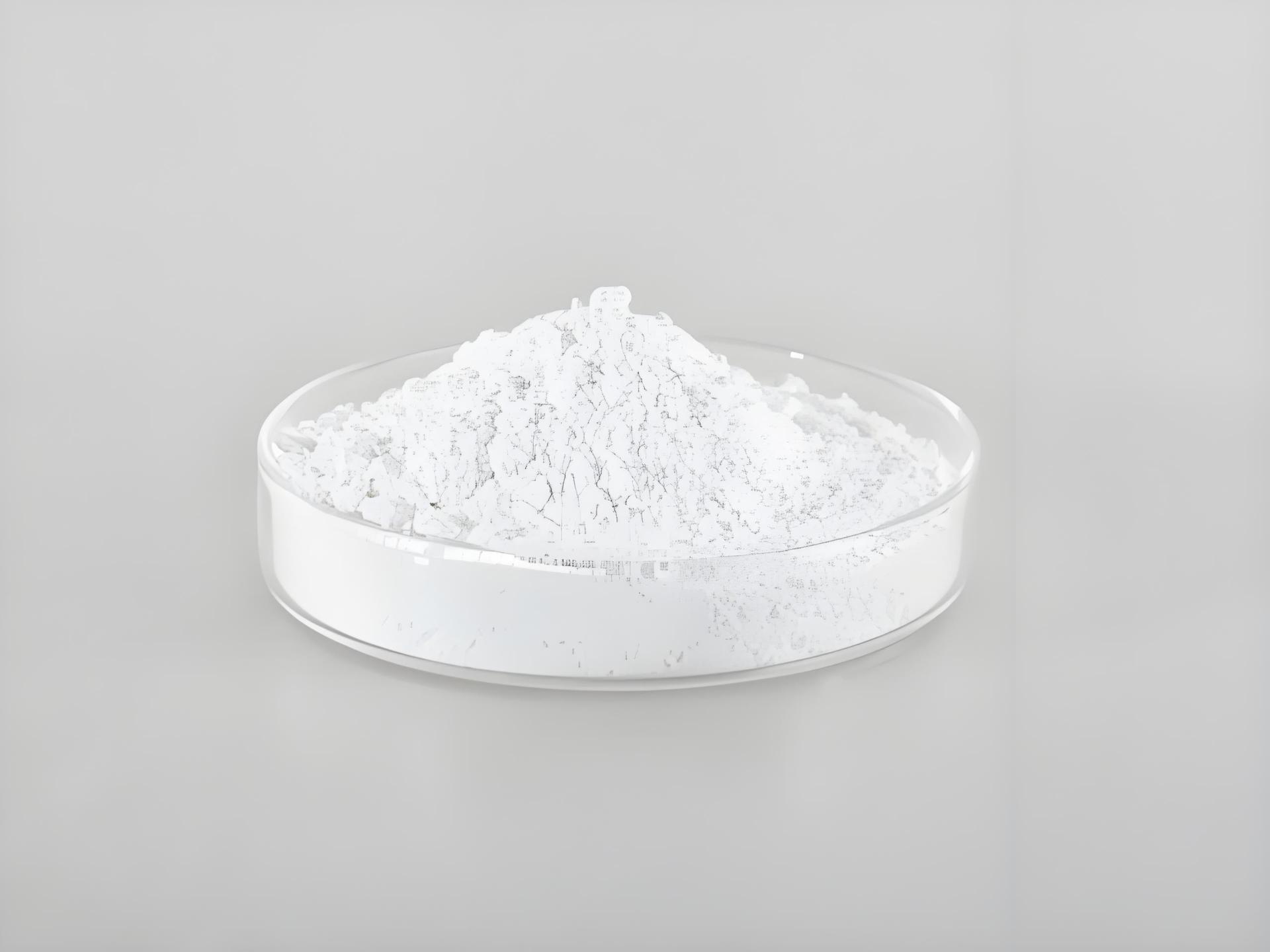
However, concentrating zinc chloride solutions presents unique challenges. Conventional evaporation methods are typically energy-intensive, operate in batch mode, and generate acidic vapors containing hydrochloric acid (HCl), resulting in high operating costs, increased maintenance requirements, and environmental concerns.
To overcome these limitations, our company has developed an advanced multi-effect falling film evaporation system that provides continuous, energy-efficient, and environmentally friendly production of high-purity zinc chloride. By maximizing the reuse of secondary steam, the system significantly reduces steam consumption while improving productivity and product quality.
Challenges of Traditional Zinc Chloride Production
Traditional zinc chloride production generally employs graphite evaporators for concentration, followed by graphite sloping plate dryers for final drying.
Although this process is widely used, it has several disadvantages:
• High steam consumption due to the lack of effective heat recovery
• Batch operation with limited production efficiency
• Secondary steam is discharged rather than reused, resulting in substantial energy losses
• Acidic vapors containing hydrochloric acid (HCl) require additional recovery and treatment equipment
• Higher operating costs and increased environmental emissions
• Greater maintenance requirements due to equipment corrosion
As energy costs continue to rise and environmental regulations become increasingly stringent, manufacturers are seeking more efficient and sustainable alternatives.
The Multi-Effect Falling Film Evaporation Solution
Our multi-effect falling film evaporation technology offers a modern solution for zinc chloride concentration by combining continuous operation with efficient heat recovery.
The process utilizes the latent heat contained in secondary steam generated during evaporation. Instead of being discharged, this vapor serves as the heating medium for the subsequent evaporation effect, dramatically improving thermal efficiency and reducing fresh steam consumption.
The result is a highly efficient concentration system with lower operating costs, reduced emissions, and stable product quality.
Process Flow
1. First Effect – Initial Concentration
A low-concentration zinc chloride solution (typically around 40 wt.%) is first preheated in a plate heat exchanger before entering the first-effect falling film evaporator.
The solution flows downward as a thin liquid film along the inner surface of the heat transfer tubes, where it is heated by live steam. Water evaporates rapidly, and the generated secondary steam is separated from the concentrated solution.
The secondary steam is then utilized as the heating source for the next evaporation effect.
2. Second Effect – Intermediate Concentration
The partially concentrated solution flows into the second-effect evaporator for further water removal.
The same falling film evaporation principle is employed, while the secondary steam generated in this stage is recovered for downstream heat utilization, maximizing overall thermal efficiency and minimizing steam consumption.
3. High-Temperature Final Concentration
After passing through the multi-effect evaporators, the concentrated zinc chloride solution enters a high-temperature concentrator.
Unlike the previous stages, this unit is indirectly heated using thermal oil or molten salt, allowing the solution to reach temperatures well above those achievable with steam heating.
The remaining moisture is removed, producing molten zinc chloride. The molten product is then cooled and solidified through a screw conveyor to obtain high-purity solid zinc chloride.
Key Advantages
• Continuous Production
The continuous evaporation process replaces traditional batch operation, resulting in higher production efficiency, stable operation, and increased plant capacity.
• Outstanding Energy Efficiency
The multi-effect configuration maximizes secondary steam utilization, significantly reducing live steam consumption and lowering operating costs.
• Improved Product Quality
Vacuum evaporation lowers the boiling temperature, minimizing thermal degradation while ensuring consistent product quality.
• Optimized Heat Transfer
Advanced liquid distribution technology ensures uniform wetting of the heat transfer tubes, improving heat transfer efficiency and maintaining stable performance over a wide operating range.
• Environmentally Friendly
Lower energy consumption, reduced greenhouse gas emissions, and minimized acidic vapor discharge make the system a cleaner and more sustainable solution for zinc chloride production.
• Lower Operating Costs
Reduced steam consumption, continuous automation, and simplified operation contribute to lower utility costs and decreased maintenance requirements.
Conclusion
Multi-effect falling film evaporation technology represents a significant advancement in zinc chloride concentration and production.
Compared with conventional graphite evaporation and drying systems, it delivers higher energy efficiency, continuous operation, improved product quality, and lower environmental impact. By efficiently recovering secondary steam and optimizing heat utilization, the system substantially reduces operating costs while increasing production efficiency.
Whether constructing a new zinc chloride production plant or upgrading an existing facility, multi-effect falling film evaporation offers a reliable, economical, and sustainable solution for modern industrial manufacturing.
If you are planning a zinc chloride concentration or production project, our engineering team is ready to provide customized process solutions tailored to your production requirements. We look forward to working with you to develop an efficient, energy-saving, and environmentally responsible evaporation system.
Contact Us
Please feel free to reach out for a reliable partner of next project.
