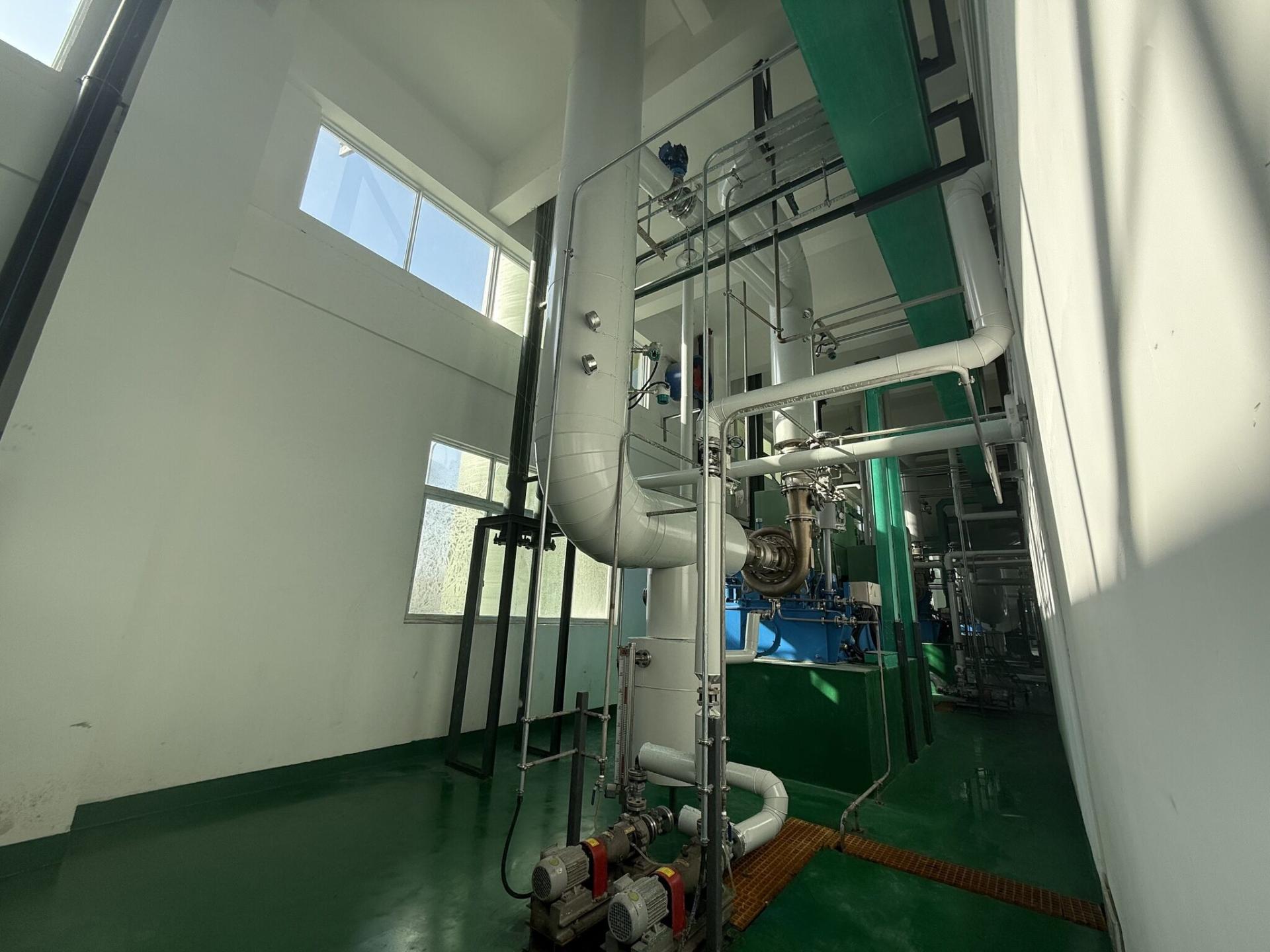

Background and Significance of Lithium Battery Recycling
With the rapid expansion of electric vehicles, energy storage systems, and consumer electronics, lithium-ion batteries have become essential to modern energy infrastructure. As increasing numbers of batteries reach end-of-life, effective recycling has become critical to address both environmental and resource challenges. Improper disposal can result in environmental pollution and the loss of valuable strategic metals such as lithium, nickel, cobalt, and manganese.
Spent lithium battery recycling enables the efficient recovery and reuse of these critical materials, reducing dependence on primary mining resources and strengthening the security of the battery material supply chain. It also minimizes environmental risks by preventing the release of hazardous substances and supports the transition toward a sustainable circular economy.
Main Products Recovered from Spent Lithium Battery Recycling
Through advanced crushing, mechanical separation, hydrometallurgical extraction, and high-efficiency evaporation and crystallization processes, valuable metals from spent lithium batteries can be recovered and refined into high-purity, battery-grade materials.
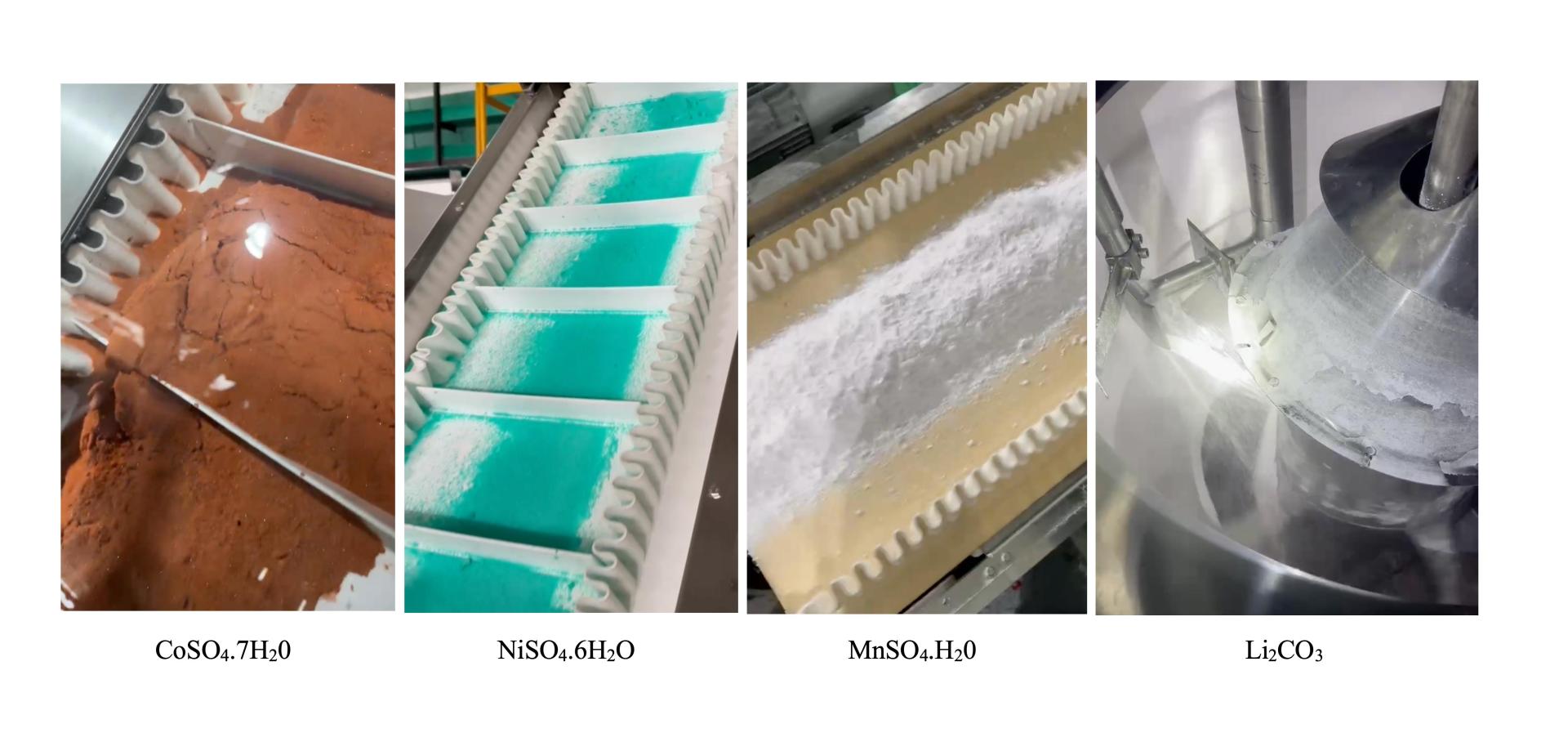
The primary recovered products include:
• Nickel Sulfate (NiSO₄): Essential for high-energy-density ternary cathode materials used in electric vehicle batteries.
• Cobalt Sulfate (CoSO₄): Enhances battery stability, safety, and cycle life.
• Manganese Sulfate (MnSO₄): Reduces battery material costs while maintaining strong performance and safety.
• Lithium Carbonate (Li₂CO₃): A critical raw material for lithium battery cathodes and electrolytes.
Comprehensive Value of Spent Lithium Battery Recycling
Lithium battery recycling projects not only enable the safe and environmentally responsible treatment of spent batteries, but also convert waste materials into high-value, reusable resources.
After purification, the recovered materials can be reintroduced into lithium battery manufacturing, forming a fully integrated closed-loop system:
Battery Production → Battery Use → Battery Recycling → Battery Material Recovery → Battery Remanufacturing
This closed-loop approach maximizes resource efficiency, reduces environmental impact, lowers raw material costs, and supports the long-term sustainability of the global new energy industry.
Lithium battery recycling is therefore a key enabler of the circular economy and a strategic solution for ensuring a sustainable and secure supply of battery materials.
Get In Touch With US
Enchem is here to listen to your needs and provide sustainable solutions. Contact us to discover more.